Why Haridwar Is Called the 'Gateway to the Gods'
The name, the geography and the traditions behind one of India's seven holy cities.
 Culture
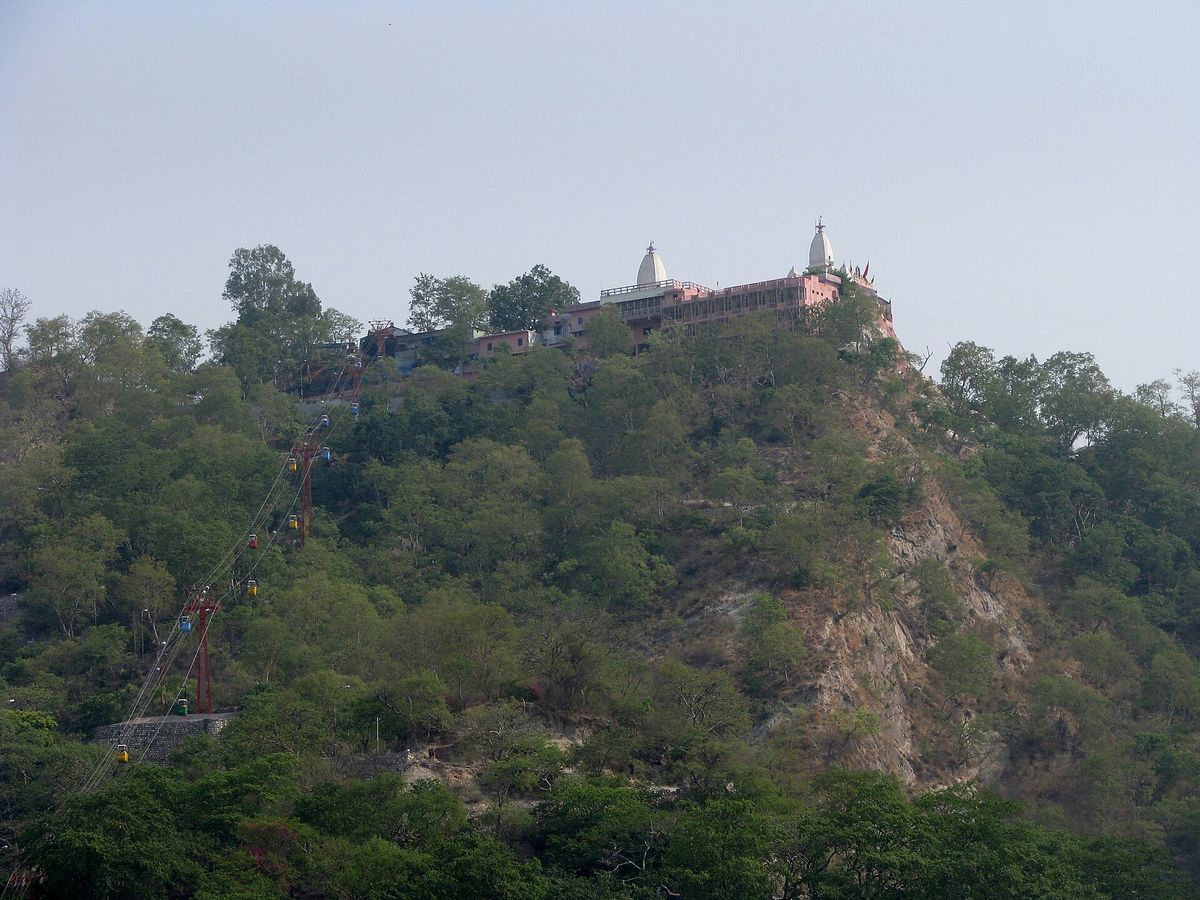
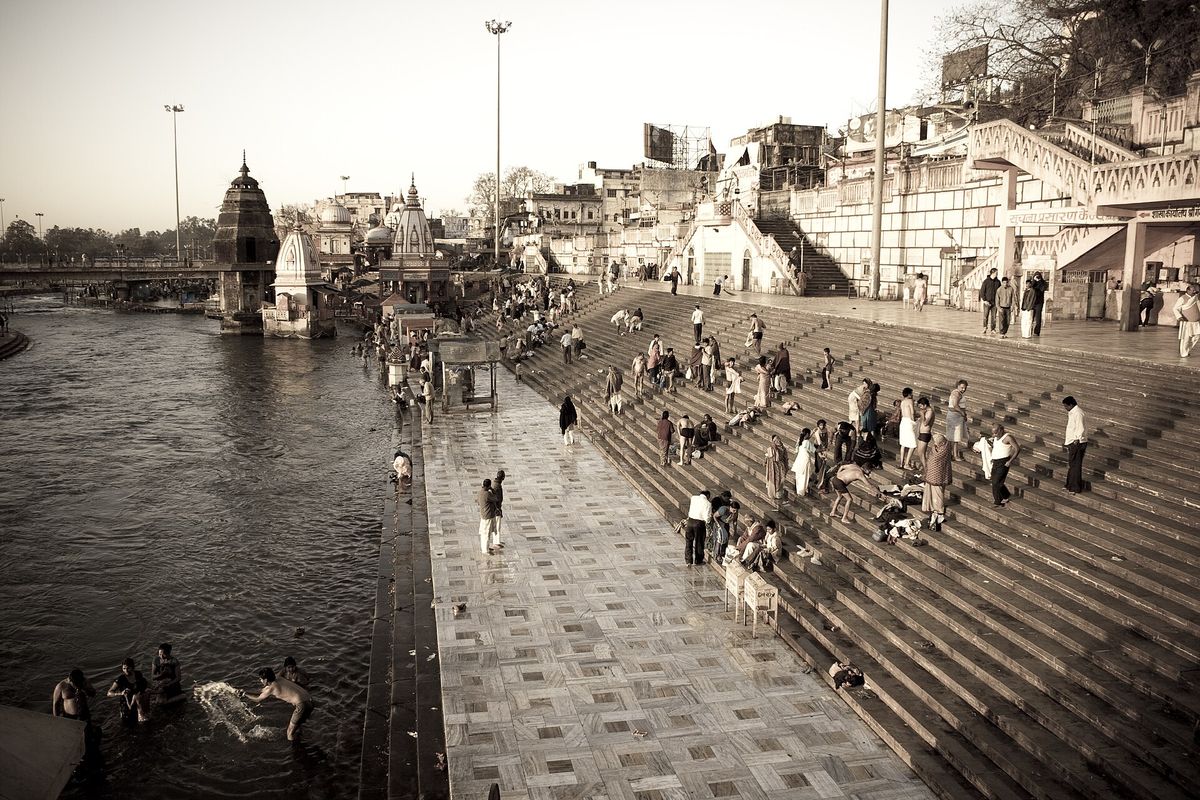
Haridwar sits where the Ganga leaves the Himalayan foothills and flows out onto the plains of north India. That position is the source of its reputation. For centuries, pilgrims bound for the high shrines of the Char Dham have started their journey here.
The meaning of the name
The name is usually read as "Hari-dwar", the gateway to Hari (Vishnu), or "Har-dwar", the gateway to Har (Shiva). Both readings are widely used, and both point to the city's role as a threshold between the plains and the sacred mountains.
One of the Sapta Puri
Hindu tradition names seven holy cities, the Sapta Puri. Haridwar, often referred to by its old name Mayapuri, is one of them. It's also one of the four sites that host the Kumbh Mela, which brings together pilgrims and ascetic orders from across the country.
A living tradition
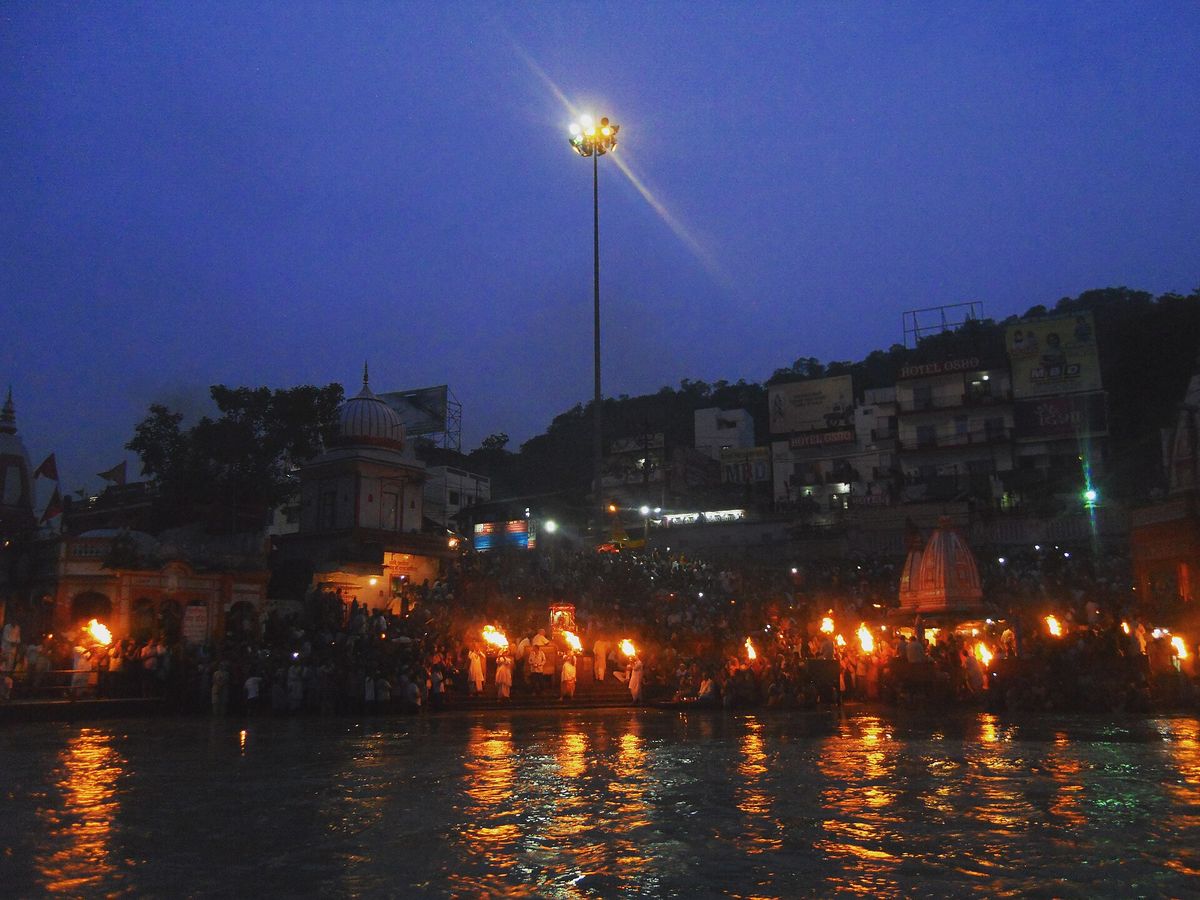
Families still bring the ashes of loved ones here to immerse in the river. Pandas, the hereditary priests, keep genealogy registers that some families have added to for many generations. These registers are among the city's most unusual traditions.
The gateway image fits the city in several ways: in its geography, in what people believe about it, and in the steady flow of pilgrims who have come through for centuries.
Article Was Generated By AI.