Pitru Paksha in Haridwar: A Simple Guide for Families Performing Shraddh
The fortnight for honouring ancestors brings many families to Haridwar's ghats. What the rituals involve and how to prepare.
 Culture
Pitru Paksha is the fortnight in the Hindu calendar set aside for honouring ancestors, and this year it falls in late September and early October. Haridwar is one of the most important places in India to perform shraddh and tarpan, and many families travel here for it.
What happens during the rituals
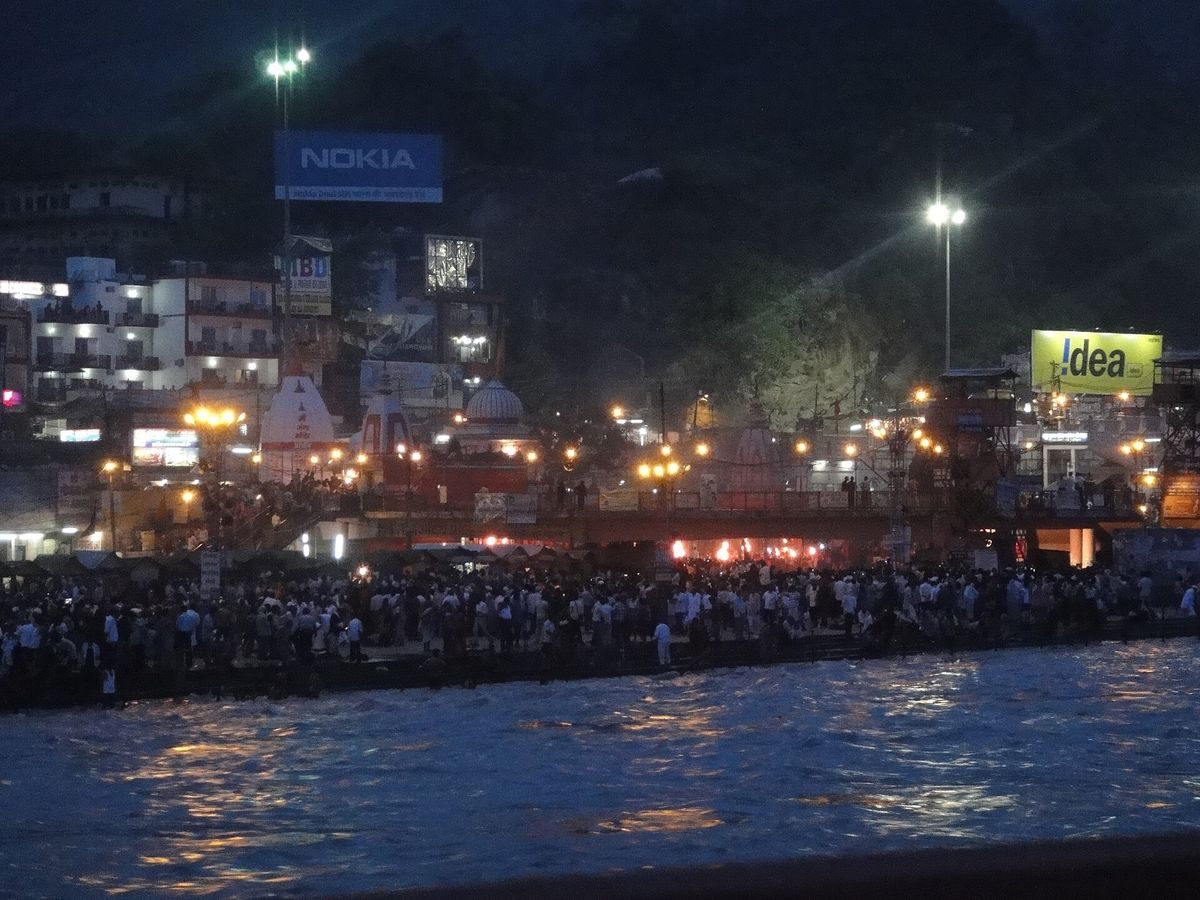
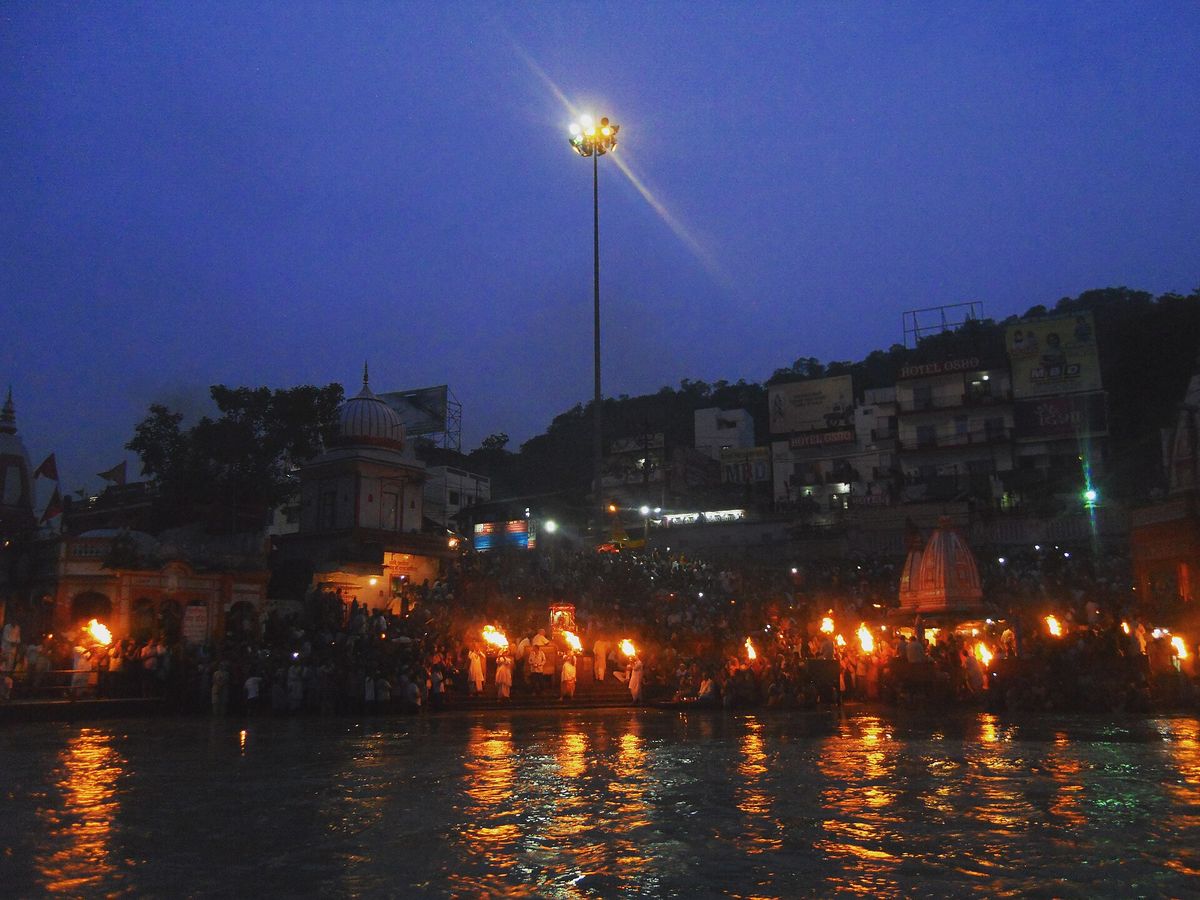
Shraddh usually includes offerings of water, black sesame seeds, rice balls (pind) and kusha grass, made with prayers led by a priest. Many families perform the rites at the ghats along the Ganga. Some also visit Kushavarta Ghat and Narayani Shila, which are traditionally linked to rites for ancestors.
Finding a priest
Many families have hereditary panda priests in Haridwar, who keep genealogy records going back several generations. If your family has a panda, get in touch before you travel. If you don't have one, ask at a reputable ashram or dharamshala for a recommendation, and agree the fee and what's included beforehand.
What to bring
- The names of the ancestors being honoured, and the family gotra if you know it.
- Clean, simple clothes. White or light colours are traditional for men.
- A change of clothes if you plan to bathe in the river.
A note on crowds
The last day of the fortnight, Mahalaya Amavasya (also called Sarva Pitru Amavasya), is usually the busiest. If your schedule allows, going earlier in the fortnight means shorter waits at the ghats and more time with your priest.
For many families, performing shraddh in Haridwar is both an act of remembrance and a link to generations of relatives who made the same trip.
Article Was Generated By AI.