Navratri at Mansa Devi and Chandi Devi: How to Plan Around the Crowds
Sharad Navratri draws some of the year's biggest crowds to Haridwar's hilltop temples. Timing is everything.
 Culture
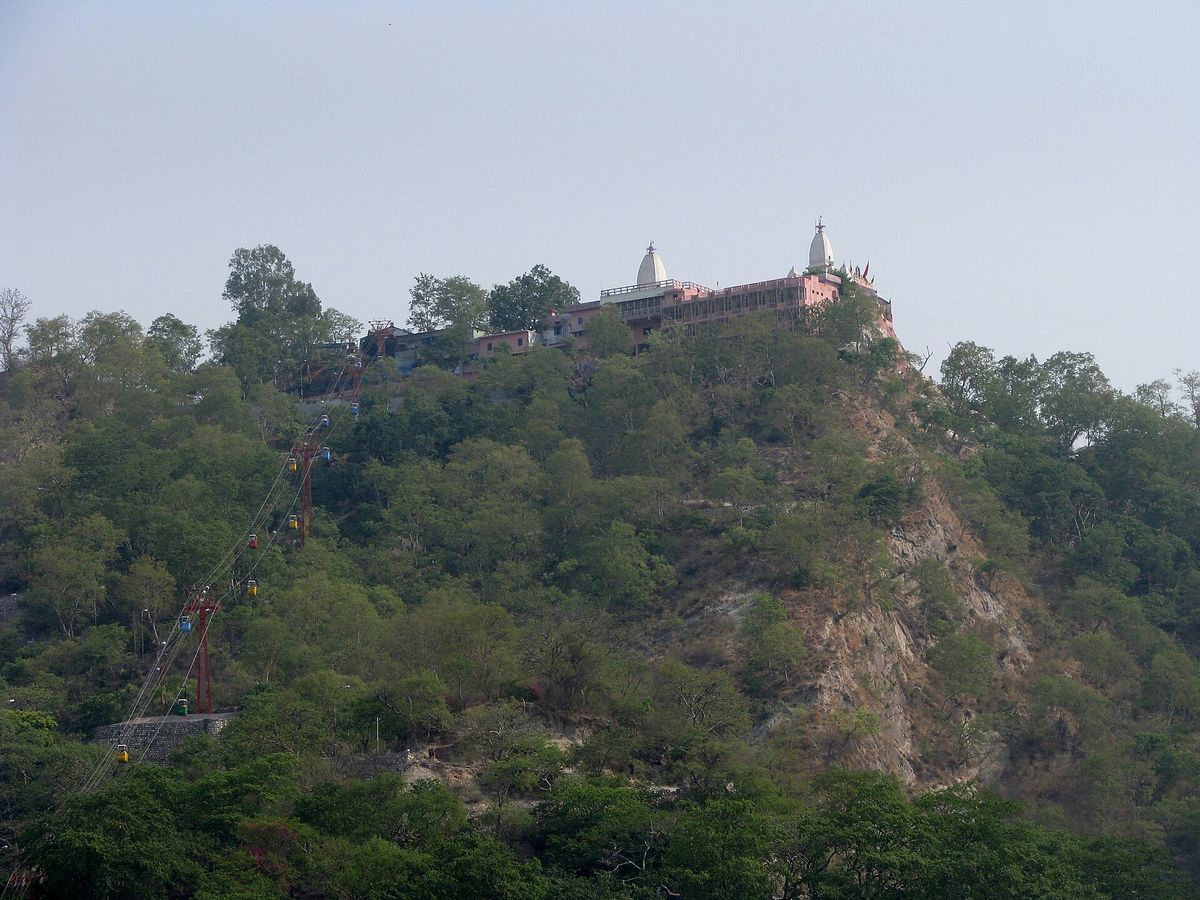
Sharad Navratri falls in October this year, and for nine days the temples of Mansa Devi and Chandi Devi become the focus of Haridwar. Both are shrines to forms of the Goddess, which makes Navratri their most important season. Families from across north India plan their visits around it.
Expect long queues
On the busiest days, and especially at weekends, the queue for the ropeways can run for hours. The walking paths fill up too. If you can, avoid the first day and the eighth and ninth days (Ashtami and Navami), which are usually the most crowded.
Go early
The best time to go is at first light, when the ropeways open and before tour buses arrive from Delhi and western Uttar Pradesh. By mid-morning, waits get much longer. The trek up to Mansa Devi can be quicker than the ropeway at peak times, if you're fit enough.
Offerings and prasad
Shops at the base of both hills sell chunri (red cloth), coconuts, flowers and prasad baskets. Prices usually go up during the festival, so it's worth agreeing a price before you buy. Keep offerings in a closed bag on the way up. The monkeys know exactly what's inside.
Practical tips
- Check the official temple trust and ropeway notices for timings, which can change during the festival.
- Carry water and a small snack, but eat before you reach the temple area.
- Keep children and elderly relatives close in the queues, and agree on a meeting point.
- Leave expensive jewellery at your hotel.
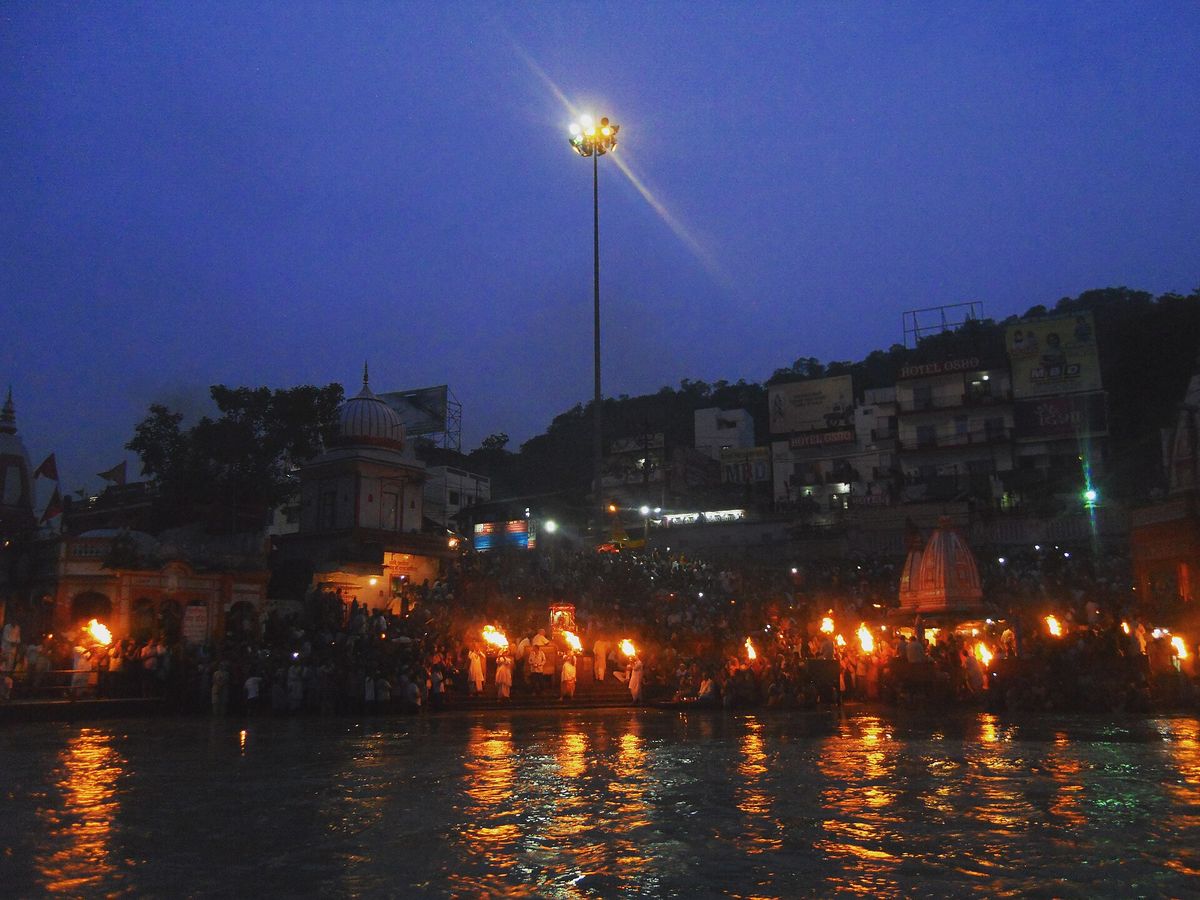
With some planning, a Navratri visit to Haridwar's hilltop temples is one of the city's most memorable experiences: the chanting, the lamps and the view over the Ganga valley from the top.
Article Was Generated By AI.